
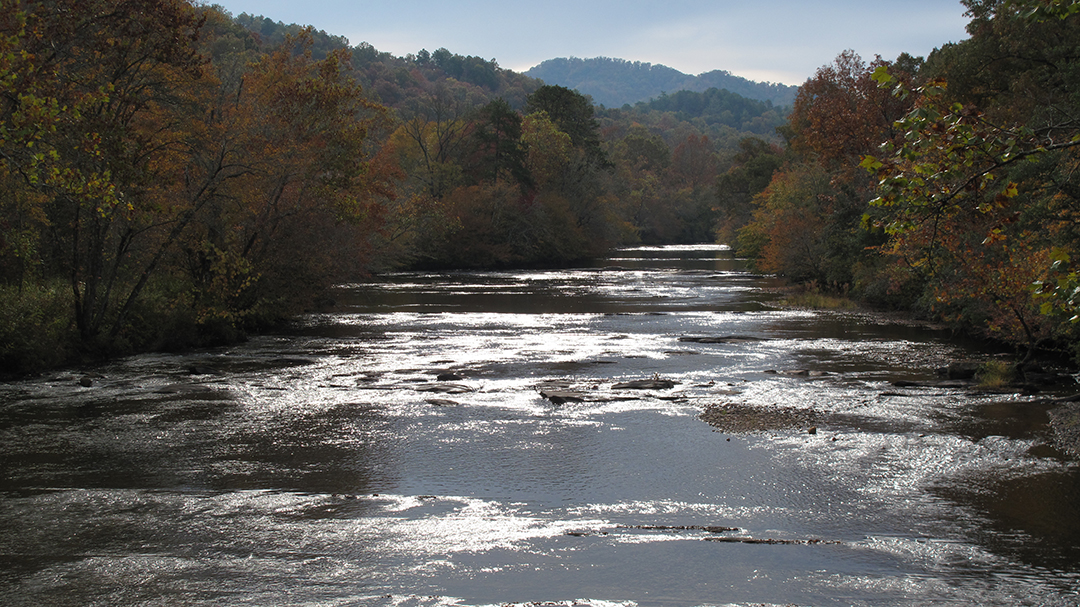
Rabun County is in the unique and enviable position of having water withdrawal permits from two different watershed basins, the Savannah River Basin, via the Lake Rabun Water Treatment Plant, which drains into the Atlantic Ocean, and the Upper Tennessee River Basin, via the Little Tennessee Water Treatment Plant, which drains into the Gulf. These water sources are vital to not only our own community but all the other communities these waterways impact along their journey. The Rabun County Water and Sewer Authority (RCWSA) takes our stewardship of these important water sources very seriously.
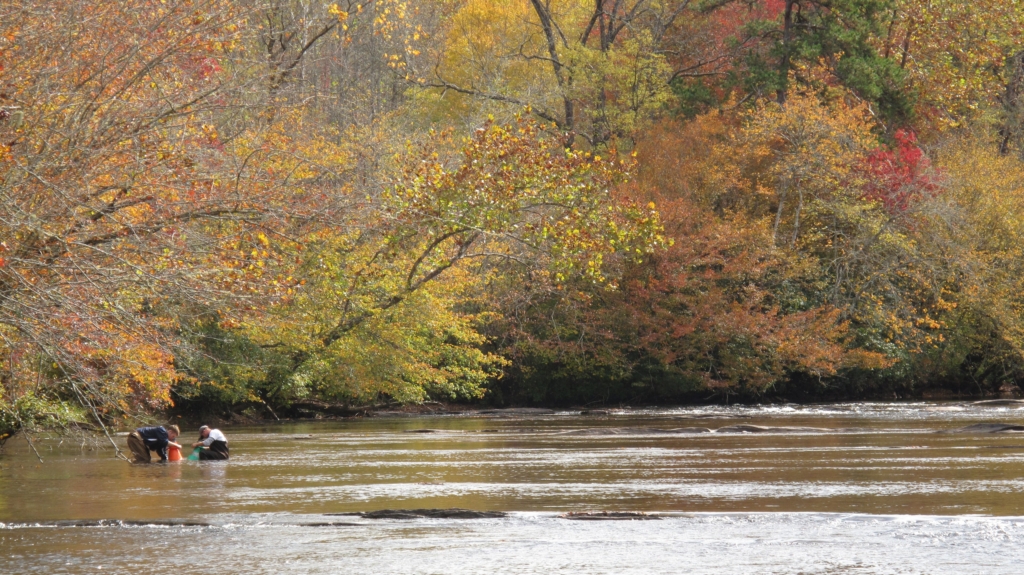 The Little Tennessee River, in particular, can provide Rabun County with up to 1.5 million gallons of raw water per day (MGD) (RCWSA’s permitted withdrawal amount). But this river is more than just a water supply. This river is an intrinsic part of the fabric of our environment and the history of our area. The Little Tennessee River is over 135-miles long with a rich history, significant ecological diversity, and recreational value. It originates right here in the Blue Ridge Mountains of Rabun County and flows north into North Carolina before entering Tennessee and eventually flowing into the Tennessee River. The river basin is highly biodiverse, supporting over 3,000 plant species and numerous mammals, birds, reptiles, amphibians, fish, and mussels, and retains much of its pre-colonial aquatic wildlife. The river’s upper reaches feature trout streams, whitewater rapids, and forested gorges, making it a hub for recreation and tourism, with activities including fishing, kayaking, mountain biking, horseback riding, and hiking, including access to the Appalachian Trail.
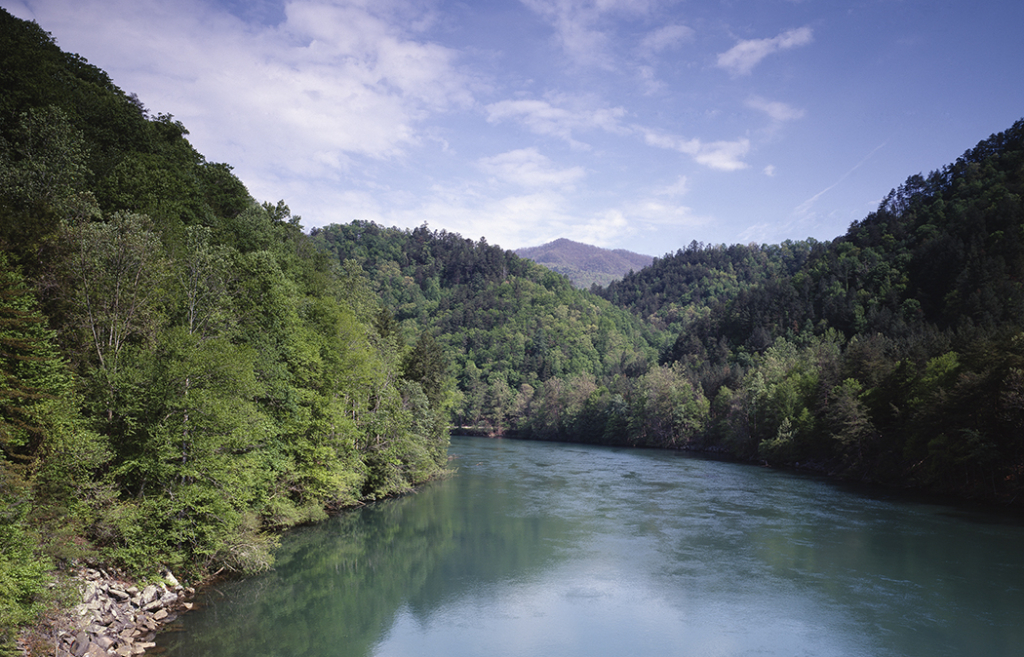
Little Tennessee River Crossing, Appalachian Trail
Historically, the Little Tennessee River and its immediate watershed comprise one of the richest archaeological areas in the southeastern United States. The river was central to the Eastern Band of Cherokee Indians, who inhabited the region for centuries. Later, European settlers established forts along the river, using the river as a means of both trade and transportation. The river provided a vital lifeline for any community that settled along its path, including ours today.
In summary, the Little Tennessee River combines historical significance, ecological richness and recreational value, with important local potable water sourcing. Balancing responsible human use with environmental stewardship of the river is part of the RCWSA’s core mission: We strive to improve the quality of life of our customers, community and environment through the proper management of our water resources – ensuring a viable water supply for generations to come.